Travertino
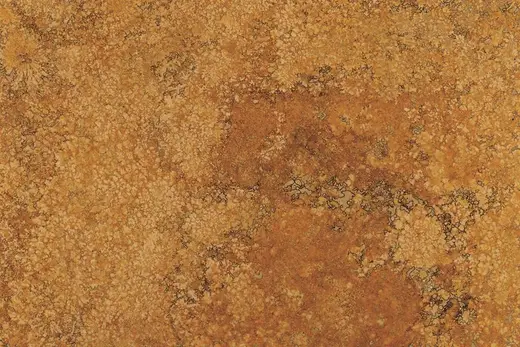
Travertine · Portugal · 30 photos
In brief. Travertino is a brown travertine from Portugal. Marmi di Carrara supplies it as blocks, slabs of 2 and 3 cm, tiles and cut-to-size elements, in the finishes typical of this family: honed, filled or unfilled, brushed, tumbled, polished. Typical uses: flooring, façades, pool surrounds, bathrooms, exterior paving.
AboutTechnical sheetWhere to use itFinishesWeightsCarePhotosFAQ

About Travertino
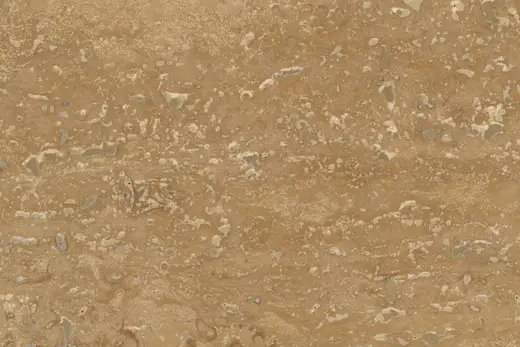
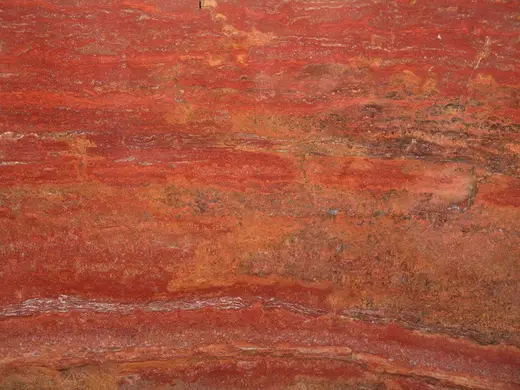
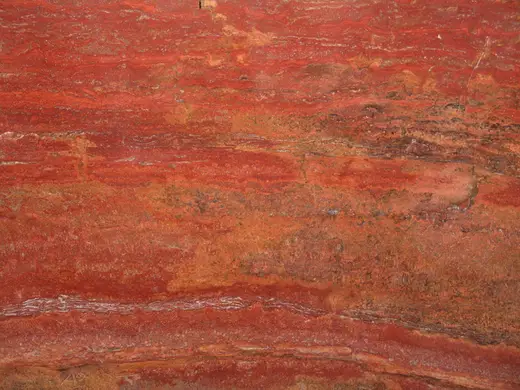
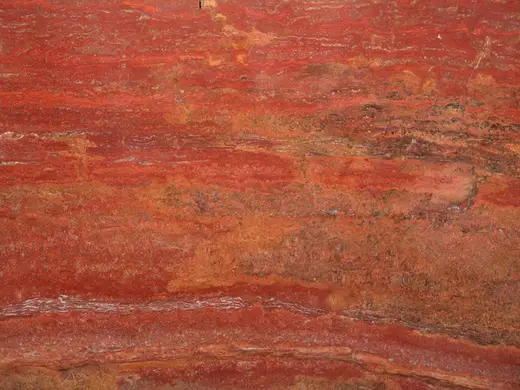
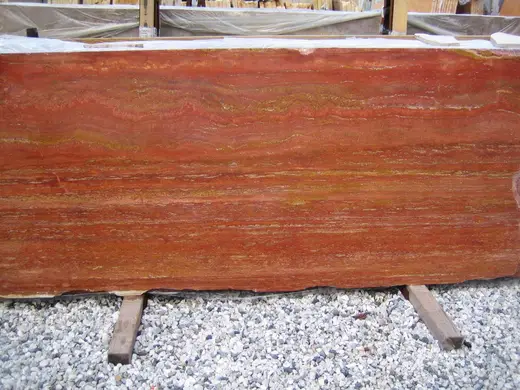
Travertino is a premium travertine sourced from Portugal, known for its warm brown hues and subtle veining that adds depth to any space. The stone features a fine-grained, porous texture that lends itself to both classic and contemporary designs. Travertino is ideal for flooring, wall cladding, countertops, and outdoor applications such as patios and pool surrounds. It responds beautifully to polished, honed, and brushed finishes, each revealing the stone’s natural character. Marmi di Carrara supplies Travertino in ready‑to‑use blocks and 2–3 cm slabs, offers custom cut‑to‑size services, and provides high‑resolution photos of actual slabs before purchase, ensuring transparency and confidence for architects, designers, and buyers.
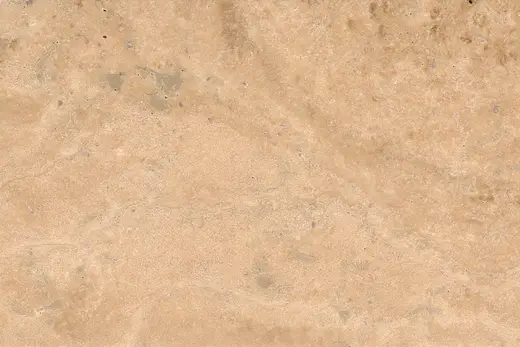
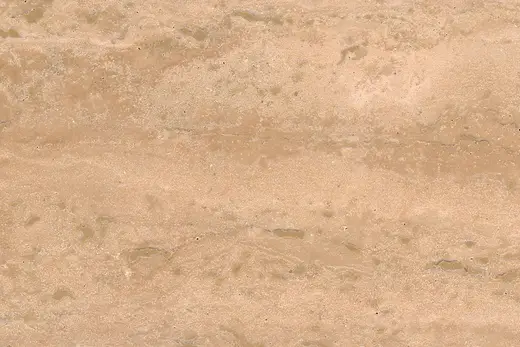
Brownish calcareous tufa, concretionary. Biomicrite – sparite (Calcareous tufa).
Dominant tones measured on our photo
Where to use Travertino
| Interior floors | Excellent |
|---|---|
| Wall cladding | Excellent |
| Kitchen worktops | With care |
| Bathrooms and wet areas | Good |
| Exterior paving and façades | Good |
| Frost exposure | With care |
| Back-lighting | Not suitable |
General guidance for the travertine family. The right thickness, finish and treatment for Travertino are confirmed on your project.
Weights and logistics
| Thickness (mm) | about 24 kg/m² |
|---|---|
| Thickness (mm) | about 49 kg/m² |
| Thickness (mm) | about 74 kg/m² |
| Thickness (mm) | about 98 kg/m² |
| Thickness (mm) | about 122 kg/m² |
| Slab 300 × 180 cm, 2 cm | about 265 kg |
| Slab 300 × 180 cm, 3 cm | about 397 kg |
| 20-foot container (about 27 t) | about 550 m² of 2 cm slabs |
Weights are calculated from the typical density of the stone family; the packing list of each shipment states the real weight.
Finishes for Travertino
Polished
Mirror-like gloss that brings out colour and veining at full depth. The classic choice for walls, tops and interior floors; slippery when wet.
Honed
Smooth and matt, with a soft satin look. Hides small scratches and etching better than a polish and is safer underfoot.
Brushed
Worked with abrasive brushes for a slightly undulating, silky surface that follows the grain of the stone. Warm to the touch and easy to live with.
Tumbled
Edges and surface are softened in a drum for an aged, antique look. Typical for travertine and limestone floors.
Filled or unfilled
The natural cavities can be filled with resin or cement for a continuous surface, or left open for a more rustic look.
Care and maintenance
- Clean with water and a neutral detergent made for natural stone; rinse and dry.
- Avoid acids and descalers (vinegar, lemon, anti-limescale sprays): they etch calcite and dull a polished surface.
- Seal with an impregnating protector after laying and repeat when water no longer beads, typically every 1–3 years on tops.
- Wipe wine, coffee, oil and citrus juice straight away, especially on kitchen and vanity tops.
- A dulled or scratched surface can be re-honed or re-polished on site: the stone is the same through its whole thickness.
How to order
- Send sizes, thickness, finish and destination with the form.
- We reply with photos of the lots available now and a written offer.
- You approve the slabs or the block; for large projects we prepare a dry-lay.
- Cutting, finishing, quality check and packing in wooden crates or bundles.
- Shipping worldwide from Carrara, with packing list and documents.
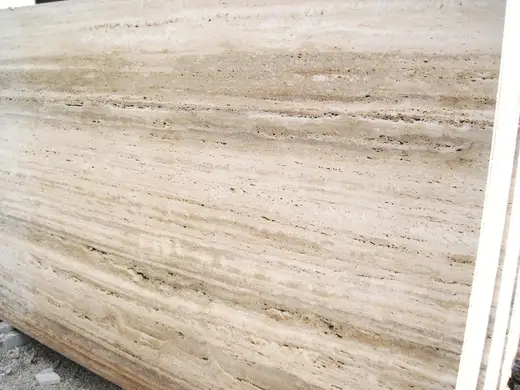
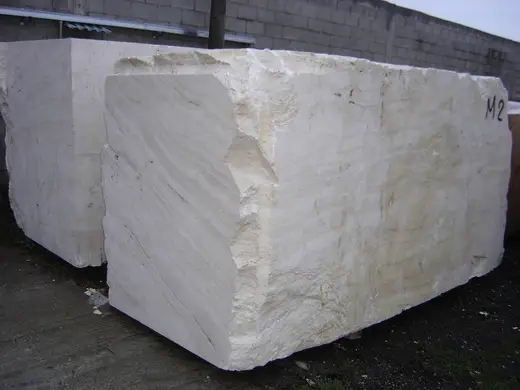
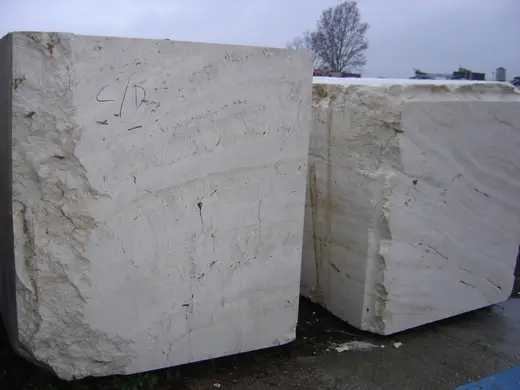
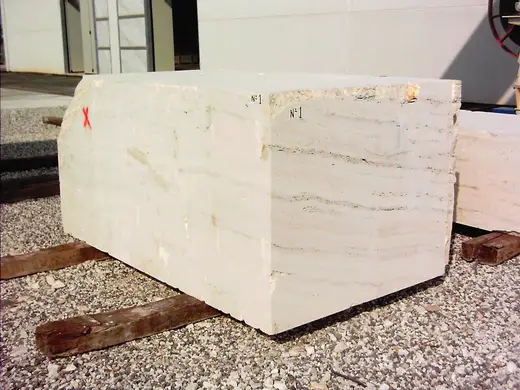
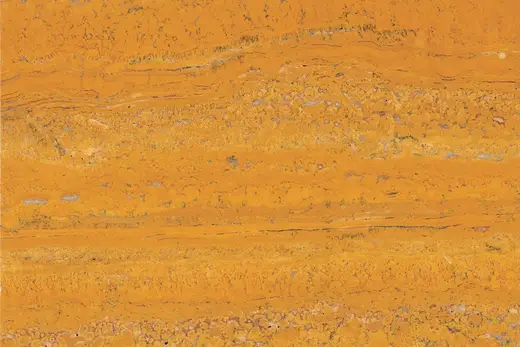
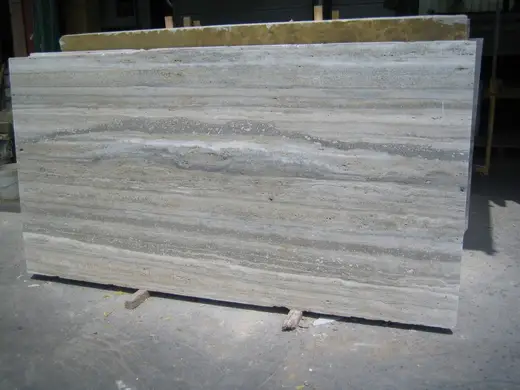
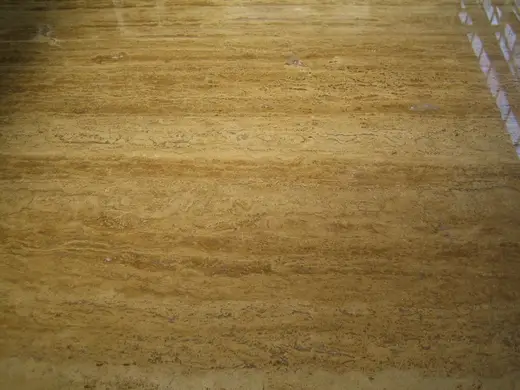
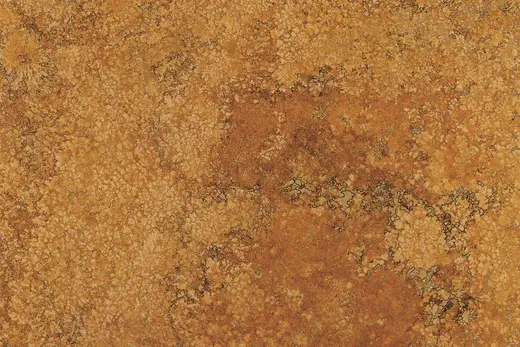
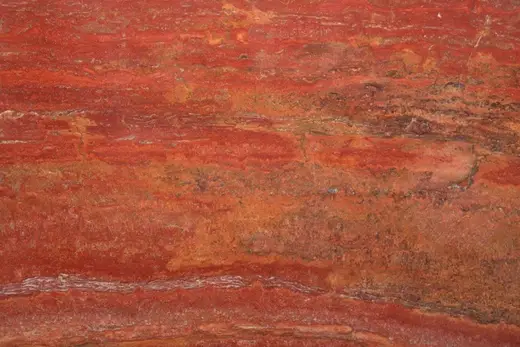
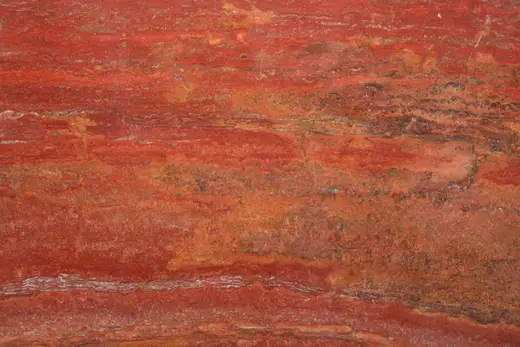
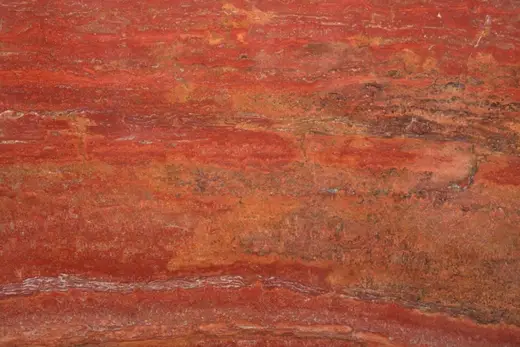
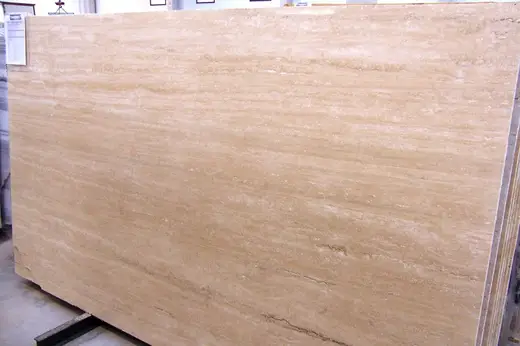
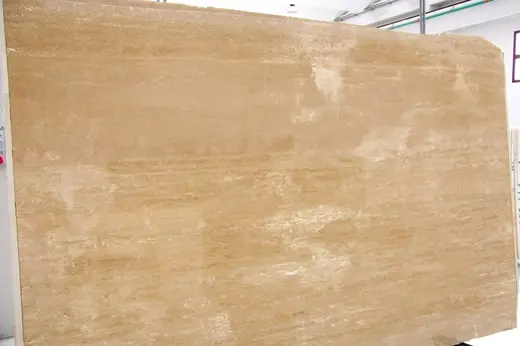
Travertino photo gallery
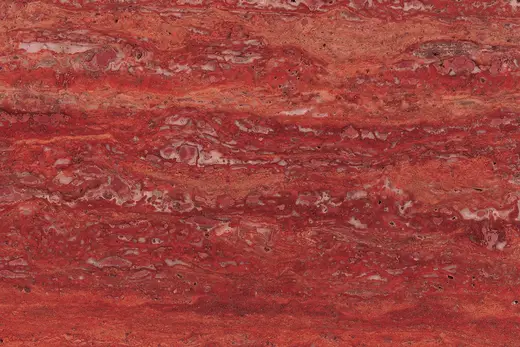
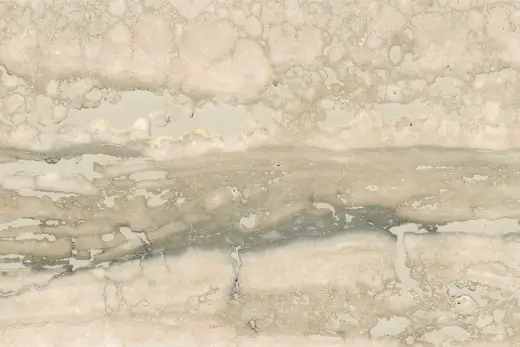
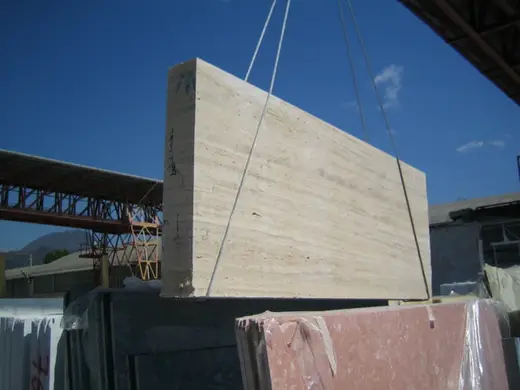
Every photo has its own page with tones, details and technical sheet.


Similar stones
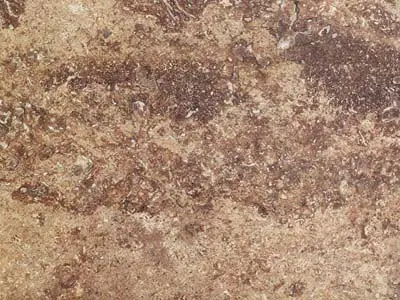
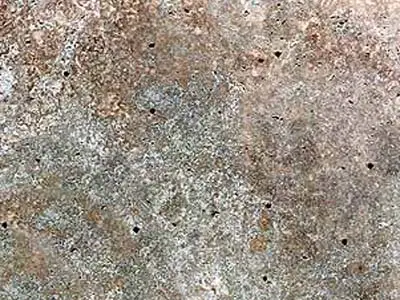
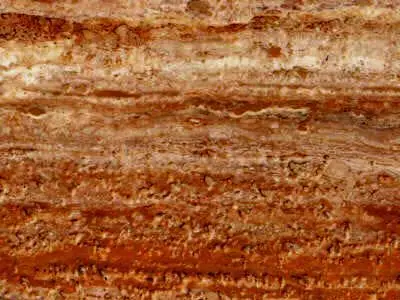
Other travertine materials in brown tones to compare.

More stones from Portugal
Brecha Acinzentada · Brecha DA Arrabida · Brecha Portuguesa · Brecha Tavira Amarela · Amarelo Claro · Amarelo Cristal Transmontano · Amarelo DE Felgueiras · Amarelo DE Fonte DE Arcada · Amarelo DO Vimieiro · Amarelo Escuro · Amarelo Esposende · Amarelo Fino · Amarelo Frades · Amarelo Ouro · Amarelo Pardo · Amarelo de Figueira · Amarelo de S. Martinho · Anta · Azul Atlantis · Azul Fino · Azul Transmontano · Azul de Apalhao · Azulalia · Branco Acinzentado DO Douro · Branco Almeida · Branco Ariz · Branco Caravela · Branco Coral · Branco DA Neve · Branco DE Candoso · Branco DO Vimieiro · Branco Pérola · Branco Vimieiro · Branco de Alcains · Branco de Cardoso · Branco do Porto · Cinza Escuro · Cinza Rodrigo · Cinza Telões · Cinzento Alpendurada
Shipping and returns
Shipping cost depends on weight and distance and is stated in the written offer; within Italy it starts from € 300 per shipment. Goods can be returned within 14 days: a 30% restocking fee applies and the return transport is paid by the customer. Pieces cut to size cannot be returned.
Questions and answers
Where does Travertino come from?
Travertino comes from Portugal.
How much does a slab of Travertino weigh?
A 2 cm slab of this stone family weighs about 49 kg per square metre; a 3 cm slab about 74 kg.
Is Travertino suitable for kitchens and bathrooms?
Typical uses of travertine are flooring, façades, pool surrounds, bathrooms, exterior paving. For kitchen tops we recommend a suitable finish and sealing: tell us your project and we advise the right solution.
Which finishes can I have on Travertino?
The finishes normally used on this stone family are honed, filled or unfilled, brushed, tumbled, polished. The finish is chosen according to where the stone goes: polished or honed indoors, textured finishes where grip is needed.
Can Travertino be used outdoors?
For the travertine family our guidance for exterior paving and façades is: good; for frost exposure: with care. We confirm thickness and finish on your project and climate.
How do I clean and protect Travertino?
Use water and a neutral stone detergent, avoid acids and descalers, and seal the surface with an impregnating protector.
Do slabs of Travertino all look the same?
No. Natural stone changes from block to block and even within the same block. This is why we send photographs of the lots available at the moment of the offer, and book-match slabs from the same block when the design needs it.
How do I get a price for Travertino?
Prices depend on the selection, thickness, finish and quantity. Send the form with your sizes: we reply with photos of the lots available and a written offer.